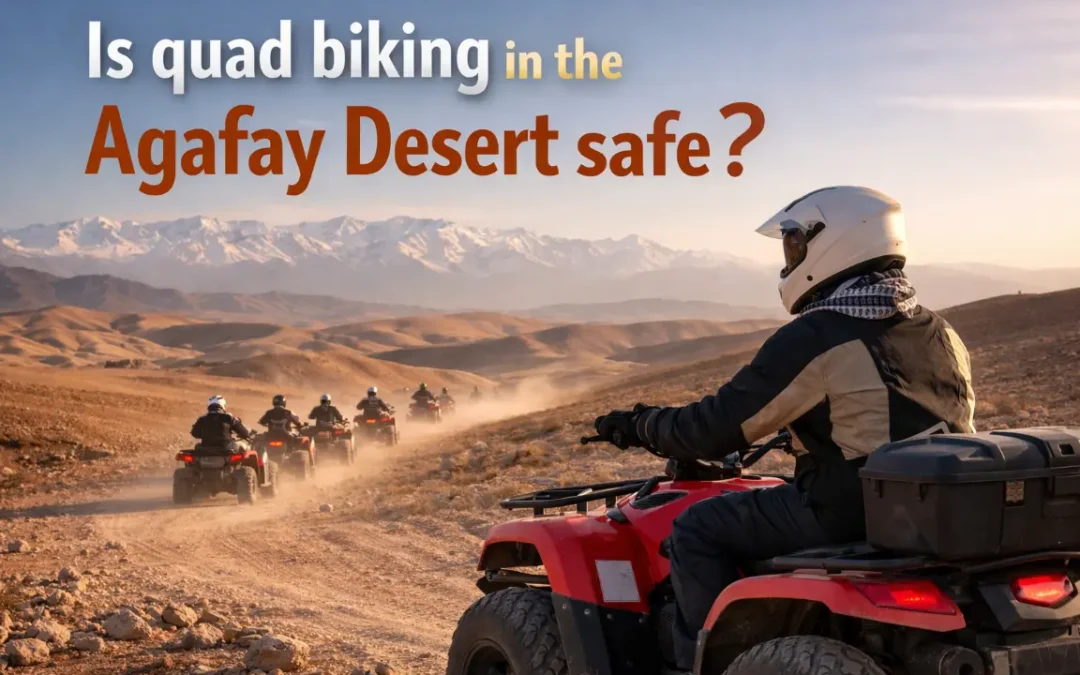
Imagine standing on a golden dune, feeling the warm breeze. You’re ready for an adrenaline-fuelled journey. Many dream of this, but a question worries them: Is quad biking in the desert safe?
Adventure lovers often want to explore these vast, sandy lands. The thrill is unmatched, but safety is key. Choosing reputable operators who teach you well makes it safe and fun.
Learning to handle these powerful bikes lets you enjoy nature safely. A balanced approach keeps you safe while you seek thrills. Let’s see how to make this activity safe and fun.
Understanding the risks of desert quad biking
Many riders don’t see the dangers of desert sands. The open landscape seems inviting but hides many risks. To know if is desert quad biking secure, we must look at the environment closely.
Common hazards in sandy environments
The main danger in the desert is the changing surface. Soft sand can make your vehicle lose traction or sink. Also, steep dunes can hide sharp drop-offs, leading to dangerous rollovers if you’re not careful.
Physical demands of off-road riding
Riding a quad bike in deep sand is very hard. You need to stay focused all the time. This makes your arms, shoulders, and core muscles work hard. This physical fatigue can slow your reaction, making it harder to stay safe.
The importance of professional guidance
Exploring alone is not safe for beginners. Professional instructors teach how to read the sand and control your bike. Choosing a guided tour means your adventure is safe. This helps you feel sure if is desert quad biking secure.
Essential safety gear and vehicle preparation
Your safety in the sand depends on your gear and bike’s condition. Good quad biking precautions in the desert keep you safe from the environment and tough terrain.
Selecting the correct protective equipment
Choosing the right gear is crucial for off-road riding. It’s your first line of defence against falls or debris.
Helmet standards and eye protection
Wear a certified full-face helmet for head and jaw protection. Goggles are also key to protect your eyes from sand and sun.
Body armour and appropriate clothing
Wear long-sleeved shirts and trousers to avoid skin cuts. Chest protectors, knee pads, and gloves are also important. They help reduce injury risks during sudden moves.
Pre-ride mechanical checks
A well-maintained bike is as important as your gear. A thorough check before riding prevents breakdowns in the desert.
Checking tyre pressure for sand traction
Sand needs special handling. Lower your tyre pressure for better grip and to avoid getting stuck in dunes.
Verifying fuel levels and engine cooling systems
Make sure your fuel tank is full before heading into the desert. Riding on sand uses more petrol. Also, check your coolant levels to keep your engine cool in the heat. A good cooling system is key for a smooth ride.
Is quad biking in the desert safe? Best practices for riders
When you think about quad biking in the desert, how you ride is key. The desert is unpredictable, but good riding skills can help you stay safe. Riding smart is the best way to have a safe time.
Mastering throttle control on loose surfaces
Managing your power is crucial in the desert. Sudden speed on sand can make the wheels spin. This makes the bike dig into the sand, not move forward. Try to use the throttle smoothly to keep moving without losing grip.
Maintaining a safe distance from other riders
Visibility changes fast in the desert because of dust and dunes. Always keep a big gap from the rider in front. This gap helps you stop quickly if needed.
Techniques for navigating steep dunes
Going up dunes needs confidence and knowing your bike. It’s important to understand how your bike handles different slopes.
Ascending dunes safely
When going up steep dunes, start with enough speed to reach the top. Keep your weight forward to help the front tyres grip. If you lose speed, don’t try to turn back on the slope.
Descending dunes with controlled momentum
Going down dunes, use the brakes carefully and keep straight. Don’t lock the wheels, as this can make the bike slide. Use engine braking and gentle brake pressure to control your speed.
Responding to vehicle rollovers
Even with safety tips, accidents can still happen. If your bike starts to tip, don’t try to hold it up. Jump away from the bike in the opposite direction. After you’re safe, check yourself for injuries and then the bike.
Navigating desert terrain and environmental hazards
Exploring the desert needs more than a strong engine and adventure. Riders must watch out for wind and heat changes. Knowing these helps keep desert quad biking secure for everyone.
Reading the sand and identifying soft spots
Dunes can look safe but hide soft sand. Experienced riders spot colour and texture changes to find these dangers. Always keep moving when crossing soft areas.
- Look for darker patches which often indicate firmer, packed sand.
- Avoid sharp turns on steep inclines to prevent the tyres from digging in.
- Follow existing tracks if you are unsure about the ground density.
Managing heat exhaustion and dehydration
Desert heat can make you tired and slow. Start with lots of water before riding. Carry more water than you think you’ll need.
If dizzy or heart racing, stop and find shade. Resting in cool places helps avoid heatstroke. These desert quad biking tips help keep you safe in the heat.
Emergency protocols for getting lost or stranded
Even with good plans, you can still get lost. Having a rescue plan is key. Being prepared helps you face the wilderness.
Signalling for help in remote areas
If stuck, make yourself seen to rescuers. Use bright clothes or reflective stuff. You can also make big sand patterns to signal for help.
Staying with the vehicle
Always stay with your quad bike unless you must leave. It’s easier to spot than a person. Your bike offers shade, protection, and supplies.
Conclusion
Desert adventures mix excitement with stunning views, perfect for those wanting something different. To enjoy this, you must prepare well and respect the desert.
Following the best practices for desert quad biking makes your ride safe and fun. It keeps you safe and helps protect the desert.
Companies like Quad Biking Marrakech Tours or Marrakech Desert Rides offer safe trips. Listening to their advice is key to a safe desert ride.
Your safety depends on staying alert and ready for changes. Always check your surroundings before starting. This way, you can enjoy the view without danger.
Sharing your desert adventures helps spread the word about safety. Your careful riding helps keep these amazing places for others to explore. Get ready, stay alert, and have fun on the golden dunes.